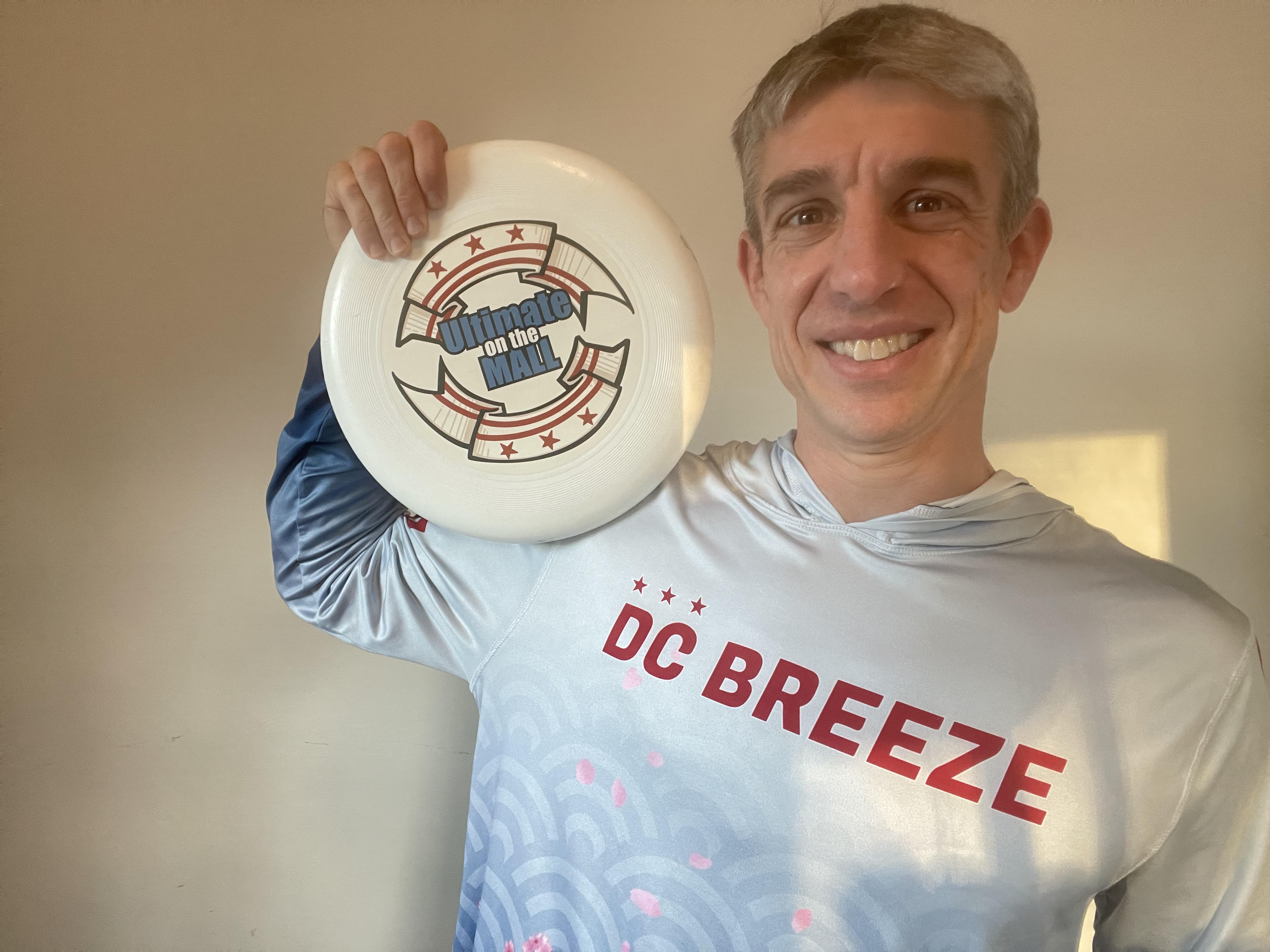
It was ninety three degrees. No shade. No clouds. Just an endless Maryland field and my legs screaming for mercy.
I had been running, cutting, and jumping for six hours straight. We were in the final game of the Hagerstown Hat Tournament, and my thigh muscles had officially quit. They cramped so hard I could not take another step. I had to sit down on the very last point of the tournament.
We won. But I was not on the field when it happened.
That was my first tournament. It taught me more about Ultimate Frisbee in one day than a year of pickup games ever could. It broke my body, tested my mind, and showed me what real team chemistry looks like when strangers become brothers and sisters on the battlefield.
Tournaments are the ultimate test. And if you want to call yourself a real Ultimate player, you need to experience one.
What Is a Hat Tournament?
A hat tournament is like organized pickup with stakes. You show up as an individual. Teams get divided randomly. You stick with that same random team for three or four games straight. You find out who your teammates are the day before or the morning of. You have maybe thirty to forty five minutes to learn their names, assess their skills, and build enough chemistry to compete.
The name comes from the old school method: write everyone's name on a slip of paper, throw them in a hat, and draw randomly. At the Hyattsville Turkey Toss, they used colored ping pong balls. You reach in, pull out blue, and suddenly you are on Team Blue with people you have never met.
That randomness is magic.
Why Tournaments Matter More Than Pickup
Pickup games are practice. Tournaments are the real game. At your typical pickup, maybe eighty percent of people know what they are doing. But at a tournament? Ninety five percent of players came to compete.
What tournaments give you that pickup never can:
- Volume: You will throw and catch over 100 times in a single day. More reps than a month of casual pickup.
- Intensity: Every point matters. No messing around. No experimenting with trick throws when you are down by two.
- Variety: Players come from other cities. You will see throwing styles and cutting patterns you have never encountered.
- Speed: The pace of tournament play separates elite athletes from everyone else. The athletes who can sprint to space and sky for discs have a bubble of possible reach that lets them catch anything thrown near them.
- Growth: Exposure to elite players accelerates your learning faster than anything else.
Hat vs Team Tournaments
Hat tournaments: You show up as an individual and leave as part of a squad you built from scratch. Modern hat tournaments use skill assessments to balance teams. Low commitment, usually $10 to $30 entry fees. Perfect for solo players without a regular team. Forces rapid team building skills that transfer to life and work.
Team tournaments: You form a roster, practice together, develop plays, and enter as a unit. Pre built chemistry. Established plays. Path to competitive Ultimate through Sectionals, Regionals, and Nationals.
For most recreational players, hat tournaments are the perfect entry point.
Registration: Assess Yourself Honestly
When I registered for Hagerstown, they asked three things: how many years have you been playing Ultimate, rank your overall ability on a scale of 1 to 10, and rank your athleticism on a scale of 1 to 10. I gave myself an 8 for ability and a 7 for athleticism.
Some tournaments ask more: How is your backhand? Your flick? How fast are you? Can you throw a hammer? The more information organizers have, the better balanced the teams will be.
The baggage question: Some hat tournaments allow "baggage," the ability to designate another player to be on your team. My honest take: baggage is not fair and usually not good for the tournament. When I played with my buddy Jesse, our team naturally formed little couples who already knew each other. It created cliques instead of true team unity. The tournament I played without baggage? Everyone had to work together. No shortcuts. More fun and more growth.
→ Action Step: If baggage is allowed, do not use it. Embrace the randomness. That is the whole point.
Physical Preparation: The Three Week Plan
A tournament is not a pickup game. It is a marathon with sprints. You will play four or more games in a single day. By the fourth game, the field separates into two groups: those who trained, and those who are limping.
Week one (foundation): Small to medium jogs, 20 to 30 minutes. Basic leg strengthening: squats, lunges, calf raises. Core work: sit ups, planks. Play pickup to sharpen throws.
Week two (build): Medium runs, 30 to 40 minutes. Add sprint intervals to simulate game intensity. Increase leg work: more lunges, jump training. Continue throwing practice.
Week three (polish): Slightly longer runs with recovery focus. Maintain strength training but reduce intensity. Rest the two days before the tournament. Stretch, stretch, stretch.
The Packing List
Hydration and fuel: Cooler with ice. Water bottles, at least 3 to 4. Gatorade or electrolyte drinks. Simple sandwiches. Fruit, especially bananas for cramps. Granola bars. Red Bull or coffee for that fourth game push.
Gear: Light shirt and dark shirt (you need both). Good cleats. Your own disc. Arm sleeves for diving. Towels. Sunglasses. Sunscreen, lots of it, reapply often. Gloves and hand warmers for cold tournaments.
Recovery and comfort: A chair (you need to rest between games). Umbrella or pop up shade if possible. Cold packs for sore muscles. Ibuprofen. Bandaids.
Game Day: Building Chemistry in 30 Minutes
You have thirty to forty five minutes before the first pull. That is it. In that window, you need to transform a group of strangers into a functioning team.
Step one: throw with your teammates immediately. Do not wait for introductions. Grab a disc and start. You are gathering intel with every throw. Can they throw a backhand? A flick? How fast are they? How high can they jump? Do they have specialty throws? Are they better at handling or cutting?
At one tournament, two teammates told me that because we warmed up together, it helped them catch and throw during the games. One woman said she usually drops her first catch, but she caught her first throw for a touchdown because we had warmed up. That pre game chemistry is real.
Step two: identify the leaders. Within the first game, alpha leaders will emerge, not by their words, but by their actions on the field. Everyone watches in awe as they perform, and trust develops that leads toward confidence in following what they say. At my DC tournament, two players emerged as our alphas: Gribs ran the offense, Shark ran the defense. The rest of us were very good players the leaders could rely on to execute.
Step three: establish roles fast. Before the first pull, you need to know: who are the primary handlers? Who cuts deep? Who cuts under? Who is responsible for reset throws when the stall count gets high? What is the substitution system?
The Cutting Order System That Wins Games
At my Blueberry Hill tournament, we had a player named Sean who did something brilliant. Instead of running a traditional vertical stack where the defense knows exactly what is coming, Sean would call out: "You are first cut. You are second cut. You are third cut. Everyone else go deep."
That simple system created clarity and focus. The person who knew they were first cut felt the weight of everyone watching. If they were not open, the second cut was already moving. Then the third. It flowed beautifully.
The handlers knew exactly who to look for and in what order. No confusion. No hesitation. No wasted cuts. This is the 1, 2, 3 system from the Offense chapter in action, and it works even better in tournaments where you are playing with strangers.
The Substitution Problem
This is where hat tournaments go wrong. At my second Hagerstown tournament, we lost every single game by two points. Every. Single. One. And the reason was substitution chaos.
We had no system. People would sub in just because they ran out to the field first. We would be down by one point in a crucial moment, and a weaker player would jump in because they had not played in a while. Arguments broke out on the sideline.
How to fix it:
- Establish a rotation system in the first five minutes
- Designate one or two people to call substitutions
- Balance playing time with competitive needs
- Communicate expectations early
- Accept that not everyone will be happy, that is the cost of competition
At the Turkey Toss, we had four beginner players including a 10 year old kid. We told ourselves we were there to have fun, but we also tried really hard. We got the disc to our beginner people, and they did well. They messed up several times, but they also caught and threw some good throws. Those moral victories gave us confidence and swagger.
When Things Go Wrong
At the Hyattsville Turkey Toss, it was 31 degrees with 14 mph winds. My hands were freezing. The disc was unpredictable.
What I learned about tournament chaos:
- When it is windy: the wind decides close games. You cannot control this. You can only control your response.
- When you have aggressive markers: stay calm. Pivot around them, then pivot back. Almost always, this gives you an open shot.
- When no one is open: be patient. Often I would see a third of the field completely unoccupied and think "why will no one cut there?" Eventually, when the stall hit 8, someone would cut. Wait for it.
The Mental Game: Losing First, Winning Last
At my first Hagerstown tournament, we lost the opening game. It felt terrible.
But that loss was the best thing that happened to us. It forced us to look in the mirror. We analyzed what went wrong. We identified who the real leaders were. We figured out our chemistry and fixed the gaps.
In the second game, we applied those lessons and won. That gave us a boost. We won the third game. And then we won the fourth, the championship.
The reason we won was because we lost that first game. It woke us up.
Team Culture: Chants, Huddles, and Belonging
Something magical happens when strangers become a team.
At my DC tournament, we came up with end of game chants, named our team, discussed what to change on offense and defense, and celebrated what was going well. Our team was called "The Spooky Ones" because it was a Halloween tournament. After each game, everyone would throw out ideas for clever chants playing on our name or the other team's name.
It sounds silly. But it matters. That culture and those inside jokes create belonging. And belonging creates trust. And trust creates chemistry.
Life Skills From the Hat
Hat tournaments teach you something that no pickup game ever can: how to build chemistry with strangers under pressure.
In life, you are constantly thrown into groups with people you do not know. Work teams. School projects. Neighborhood committees. At a hat tournament, you have to figure out who these strangers are, what their strengths and weaknesses are, and how to work together, all in about thirty minutes. Then you have to execute under pressure while adapting on the fly.
That skill transfers everywhere. The process of rapidly assessing people, finding leaders, establishing roles, and communicating effectively is exactly what makes people successful in business, in relationships, and in life.
The Tournament as Motivation
One thing I love about having a tournament on the calendar: it forces me to train.
Nothing is more motivating than knowing that in three weeks, I am going to be assigned to a random group of people who will all be watching my abilities and my leadership. That knowledge gets me out of bed for morning runs. It pushes me through one more set of squats. It fuels my discipline.
Without a tournament, my workout routine stagnates. But "good enough" does not win championships. Put a tournament on your calendar. Let it drive you. Let the pressure make you better.
Finding Your First Tournament
- USA Ultimate: The official governing body lists sanctioned events.
- Facebook Groups: Search for Ultimate Frisbee groups in your region. Tournament organizers post announcements there.
- Local Club Websites: Most areas have Ultimate organizations that run leagues and tournaments.
- Word of Mouth: Ask people at your pickup games. Veterans always know what is coming up.
Wrap Up
◆ Tournaments are the ultimate test. They give you volume, intensity, variety, speed, and growth that pickup never can.
◆ Hat tournaments are the perfect entry point. You show up solo, get assigned to a random team, and build chemistry from scratch.
◆ Assess yourself honestly on registration. Do not sandbag or inflate.
◆ Train for three weeks before your first tournament. You want to peak on game day, not before.
◆ Build chemistry in the first 30 minutes by throwing with every teammate. Never stop until you make a clean catch together.
◆ The 1, 2, 3 cutting order system creates clarity and flow with strangers.
◆ Solve the substitution problem early. Establish a rotation system in the first five minutes.
◆ Early losses are information, not death sentences. The best teams use them to adapt and get better.
◆ Team culture, chants, names, and inside jokes, creates belonging. Belonging creates trust. Trust creates chemistry.
◆ Put a tournament on your calendar. Let the deadline drive your training.
Mentor's Closing
I cramped out of the final point of my first tournament. I sat on the sideline and watched my team win the championship without me. That memory still stings.
But it also drives me. Every tournament since then, I have trained harder, packed smarter, hydrated better, and stretched more. I have never cramped out of a final point again.
Tournaments break you and build you at the same time. They show you your limits and then dare you to push past them. They throw you into a group of strangers and challenge you to become a team in thirty minutes. They test your body, your mind, your communication, and your spirit.
And when it is over, when you are sitting in your car with aching legs and a sunburned face, replaying every catch and every throw, you realize something: that was the most fun you have had in months. And you are already looking for the next one.
That is the magic of tournaments. Sign up for one. Train for three weeks. Show up ready to compete. Build a team from scratch. And leave with stories you will tell for the rest of your playing life.
The field is waiting. :)