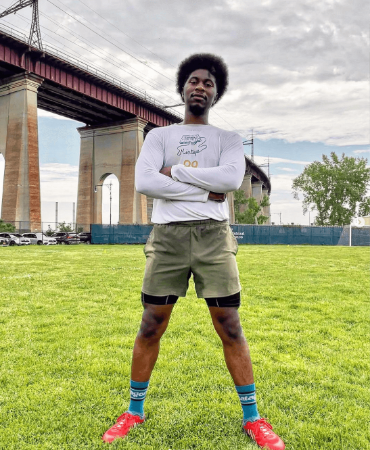
Khalif is right. The barrier to entry for Ultimate Frisbee is basically zero. A disc costs about twelve dollars. Cleats help but are not required. Gloves sometimes help but are also only $10. Somebody at your local pickup game will probably give you a disc if you ask. Frisbees can be found all sorts of places if you keep your eye out for them, then you can find one for free!
But here is the thing about solo practice specifically. To train effectively by yourself, you need more than one disc, it is so highly recommended to get at least 2, one for each hand at the same time. And the type of disc you use matters more than most people realize. There are several new types of discs on the market and if you have an extra $30, then splurge and let your disc library grow.
The good news? Your entire solo training kit costs less than a single pair of basketball shoes. And once you have it, you are set for years.
The Minimum: Two Discs
With two discs, you can alternate. Throw one, grab the other, throw it, walk to collect both. Your reps per minute double immediately. For drills like the Gravity Flick where you are lying on your back, having two discs means you can throw them up at the same time and catch both at the same time, its not easy but once you master it, then catching one disc seems elementary. Even more important than that though is with two discs you can spin and catch the disc on both hands at the same time. You can throw one up, then give the other disc to your free hand, and then catch the disc in the air with your newly free hand. If you master ANY throw and catch scenario with one hand, then try and do the same scenario with both hands at the exact same time. It is much more challenging and does look way cool. FIND at least 2 discs is my advice.
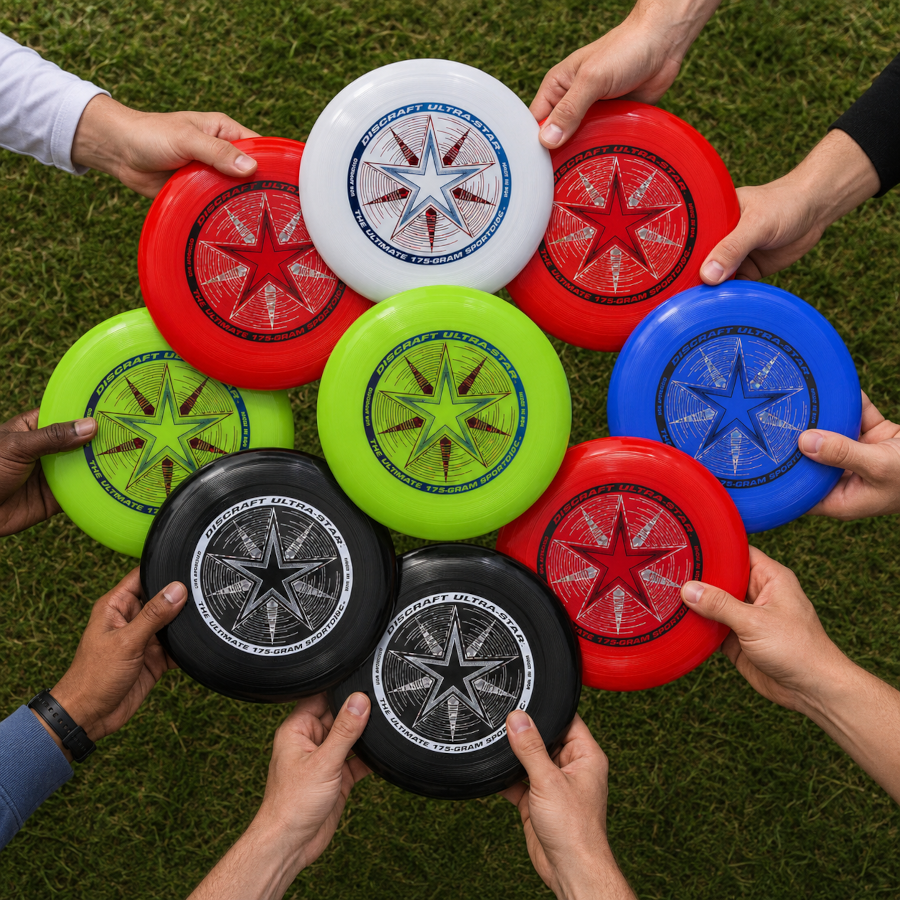
For pull practice and field drills later in this book, you will want six to eight discs so you can throw them all in a row before collecting. You don't need this many, but when practicing the pull, you get more in sync after the 3rd or 4th disc and lock in much better. Amazon has deals where 5 discs will cost $40. Bring 5 discs and throw each one, one at a time, as freaking far as you can!
The Ideal Kit: 3 Types of Discs
If you want to set yourself up right from the beginning, here is what I recommend. This is the complete solo training kit and it will cover every drill in this book.
Two standard Discraft UltraStar discs (175g). This is the official game disc. Every sanctioned Ultimate game from middle school leagues to club level uses this disc. You need to practice with the disc you play with. Get two or more (pack of 5 is $40). Photo above. Note, the UFA (Ultimate Frisbee Association) is the pro league in America and they use their own disc made by Aria, it is also a very good disc and can be purchased on the UFA website.
Two UltraStar Soft discs. This is the game changer. And I mean that literally, especially for beginners. These discs will transform your solo practice. Let me explain why later on, however no one knows about these discs from my experience and they are absolutely amazing due to their flexibility and they don't scuff on the pavement.
One Dodgebee. The softest disc you can buy that still maintains its shape. Pure fun for throwing at someone (we play tag with these) and incredibly useful for throwing straight in the air and catching it because it is like catching a spinning pillow, just so soft, never hurts in the slightest.
That is five discs total. Under sixty dollars for a complete training setup that will last you for years.
Why the UltraStar Soft Disc Is a Game Changer
I cannot overstate how important the soft disc is for solo training. There are four reasons, and each one matters.
Reason one: they are easier on your hands. When you are doing hundreds of reps, catching a hard plastic disc over and over starts to sting. The soft disc is made of rubbery silicone that absorbs impact. Your hands stay fresh. Your fingers stay happy. It is just super easy to catch compared to a regular disc. Ideal for beginners and it is just fun from an advanced player perspective.
Reason two: they are quiet. This is something nobody talks about, but it is a real factor. When you are training your non dominant hand, you are going to drop discs. A lot of discs. And when a hard plastic UltraStar hits a hardwood floor or a concrete driveway, it makes a loud crack that echoes through the house. Your family hears it. Your neighbors hear it. It makes you self conscious. The soft disc is virtually noise free. I use it indoors often and if it hits something and slams into something, it makes very little noise, especially compared to a regular disc. Less noise just hurts the ears less.
Reason three: they do not scuff. Throw a hard disc up a concrete wall or along the street pavement and it gets major scuffs. Ridges form in the plastic. The rim gets rough and starts cutting into your fingers on the next throw. The soft disc bounces off concrete, pavement, and brick without a scratch. You can throw it up a wall or against the pavement and there are zero scuffs.
The Dodgebee: The Fun Factor
The Dodgebee is the softest disc you can buy that still maintains its shape. It is made of fabric and foam, and it flies slower and floats more than a standard disc. It will not hurt anyone or anything, ever. There is a real sport called Dodgebee that is dodgeball but with these discs. We play this at the park and it is a ton of fun. Lots of transferrable skills to Ultimate or disc golf here.
Why does this matter for solo practice?
You can bring it to the beach. You can throw it in a crowded park without worrying about hitting someone. You can hand it to a kid and let them throw it as wild as they want with zero risk. If it catches a gust of wind and sails toward a stranger's head, nobody is going to the hospital. If you brought a disc to a concert, this is the disc you would bring.
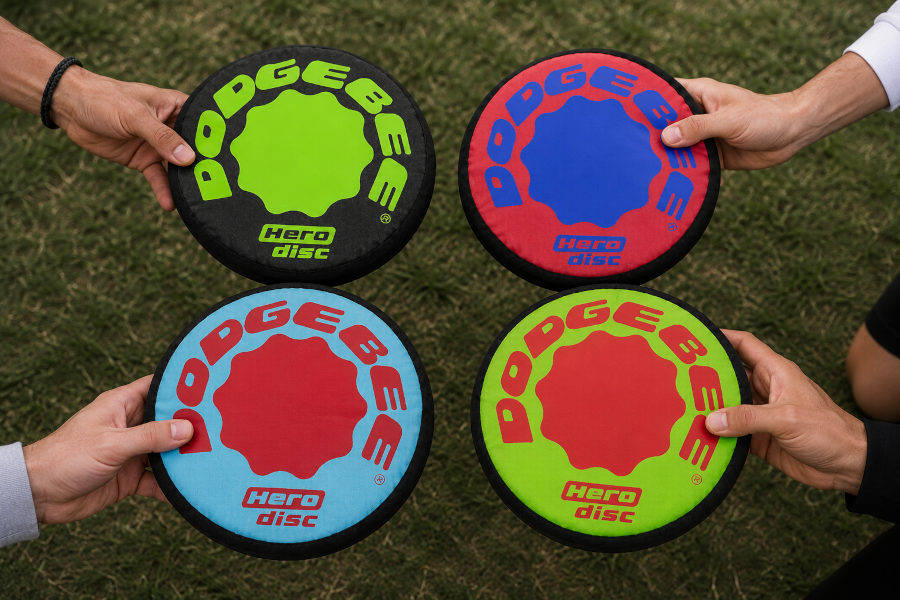
For specific drills in this book, the Dodgebee is perfect for high throws and jump timing practice. Its slow descent gives you more time to read the disc in the air, which builds tracking skills that transfer directly to game situations. It is also ideal for hammer practice because it has a taller rim than a regular disc so it spins very well upside down. When catching it, you just wanna grab it super tight and firm because it is just so dang soft.
And honestly? It is just fun. Sometimes fun is the point. If you are having fun with a disc in your hands, you are going to pick it up more often. And that is the whole game. Just play around, never forget the sport of Ultimate was established on the sheer act of having fun and finding joy in chasing a spinning disc floating in the air near you!
The Beamo: A Bouncy Ring?
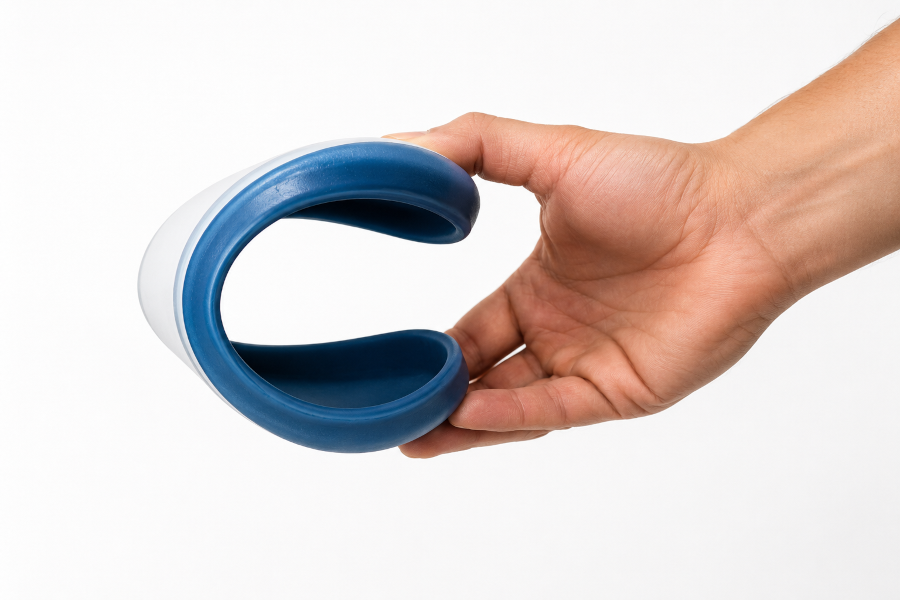
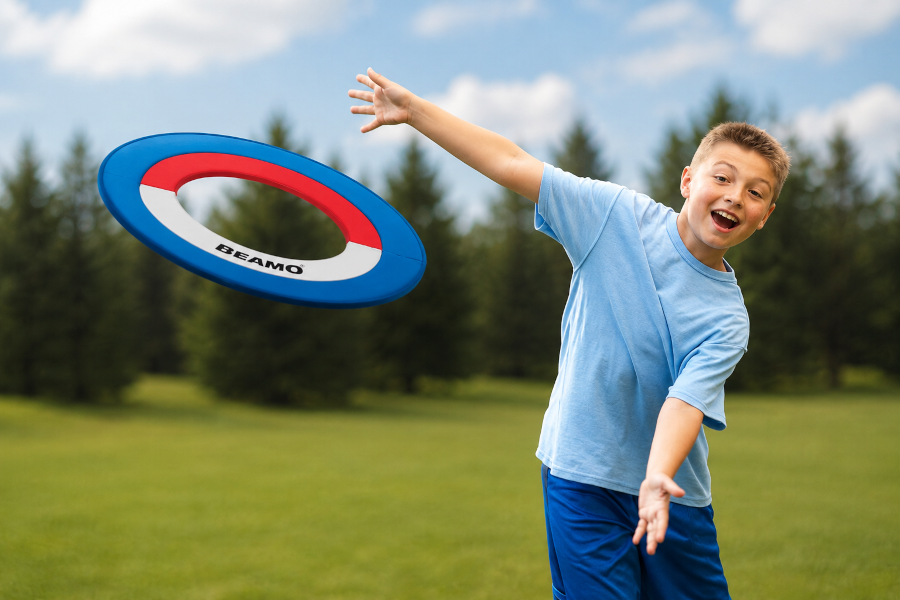
The Beamo is also an interesting, fun disc to add to your disc inventory. It is a ring, not a disc, but flies well. The best part about this disc is that it bounces. It is a hula hoop like ring with spandex fabric wrapped around it. They are very large also, so it is extremely easy to catch and throw. There is no rim on the disc, but you can still learn and teach the fundamentals of throwing both backhand and forehand flick.
The Beamo is great for bouncing up against a wall. It is not intimidating at all, so it is very good for beginners. Kids can bounce it and have fun with it in my ways that a normal disc just can't do. You can buy them on Amazon. Just search for Beamo.
Cleats: Helpful but Not Required
For solo practice, you do not need cleats most of the time. If you are doing Hula Hoop Drills, Gravity Flicks, wall throws, or any of the indoor drills, bare feet or sneakers are fine.
When you get to field drills, pull practice, and running exercises, cleats make a real difference. Soccer cleats, baseball, lacrosse, or football cleats all work. Tokay is the only Ultimate frisbee cleat brand and it is amazing. I am on my 2nd TOKAY set of cleats, they just fit my feet so perfect for whatever reason. Many people wear turf shoes as well.
The most important thing about cleats is fit. You are going to sprint, stop hard, pivot, and cut. Find a pair that fits well and break them in before you need them. Eventually you need to get good cleats if you are serious about the sport and training.
Everything Else
Gloves. There are many good gloves on the market today. Friction and Layout are two brands specifically for Ultimate, however any glove works. I've used racquetball and baseball gloves. I wear a glove on my catching hand about 50% of the time and it is super important to experiment with gloves when it is very cold and hot (due to sweat). They are inexpensive and can make catching even easier, so try them!
Cones or markers. You can use actual training cones, or just use shoes, water bottles, or anything visible on the ground. You need markers for accuracy drills and agility work. Do not spend money on fancy cones when a pair of old sneakers does the same job.
Optional strength gear. A forearm roller or squeeze ball for grip strength. Resistance bands for shoulder and rotator cuff work. A jump rope for footwork. Indoor trampolines are good to have. A mattress set on the floor, where you can jump on it while catching a disc thrown over the bed. None of these are required, but they help if you want to go deeper into the body training chapters later in this book.
Wrap Up
◆ You need at least two discs for effective solo practice. Ideally five: two standard UltraStars, two UltraStar Soft discs, and one Dodgebee.
◆ The UltraStar Soft is the most important training disc you can own. Quiet, durable, easy on your hands, and fun to skip off pavement.
◆ The Dodgebee is the safest disc for crowds, kids, and high throw practice. It will not hurt anyone or anything.
◆ Beamos bounce and are the one ring like disc you should definitely check out and add to your inventory.
◆ Cleats matter for field work but not for most solo drills. Fit is more important than brand.
◆ Cones, a wall, and a target round out your training setup. Use what you have. Shoes make fine cones.
Action Steps
→ Order two UltraStar Soft discs this week if you do not already own them. They will change how you practice.
→ Place a disc within arm's reach of where you spend the most time. Your desk, your couch, your kitchen counter.
→ Scout a wall near your home that is tall enough and clear enough for throwing practice. A school, a parking garage, a retaining wall. Know where it is for when you need it.
→ Find a laundry basket or trash can and set it in your yard or garage. That is your first accuracy target.
Mentor's Closing
Ultimate Frisbee is one of the most affordable sports on the planet. Five discs and a pair of cleats, and you have everything you will ever need to train like a pro.
The drills in the next chapters do not require a gym membership, a coaching staff, or a hundred dollar training program. They require a disc and a willingness to pick it up.
Get your gear. Keep it close. And let's start building some skills. :)